Home / Games
Points, pool and deals are settlements, not three different games
A 13-card hand still needs a pure sequence. The format only changes how leftover points become money, time or a last-seat prize.
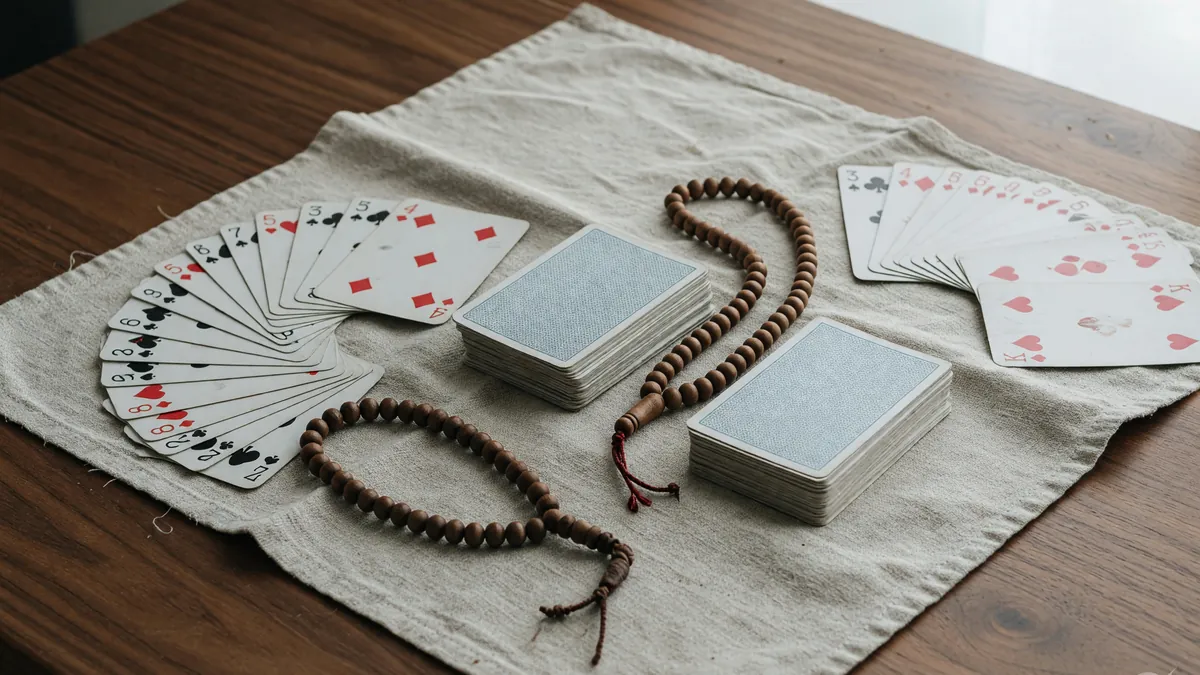
A format chip is a definition, not a mood
Readers often treat “points” as casual and “pool” as serious. The cards do not agree. Both use the same 13-card deal, the same open discard, and the same demand for a pure sequence before a declare can stand. The difference is how the session ends and how a mistake is priced.
If a lobby tile uses fireworks, a trophy or a vague “classic table” label instead of points, pool or deals, the product is hiding the settlement. Hide the settlement and you cannot compare cost. That is the myth this catalogue exists to correct.
luxcasino, on this domain, is evaluated as a place those three chips should appear. Whether they do, in a live lobby, is something only the operator screen can show. This note names the public rules so you can recognise a missing chip.
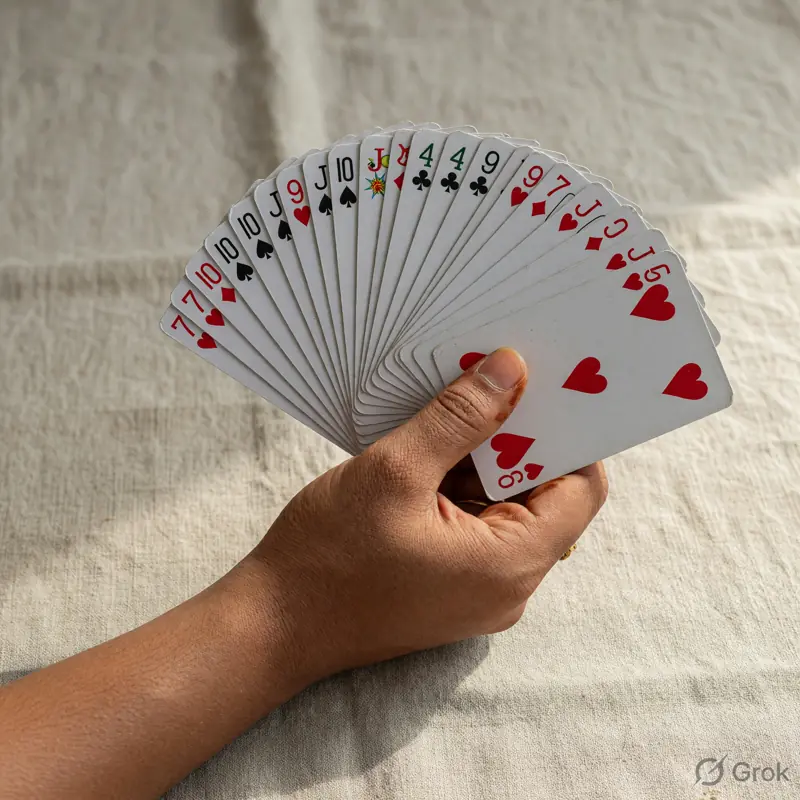
Points rummy prices every leftover pip
In points, each leftover point after a valid declare has a published price. A short session can still be expensive if you hold high ungrouped cards into a late declare, or if you declare invalidly and take the full remaining value.
A first drop and a middle drop, when the table publishes them, are cheaper than riding a broken hand. Treating a points table like a pool, where you wait to be the last seat, is how a “small” table becomes a stack of priced mistakes.
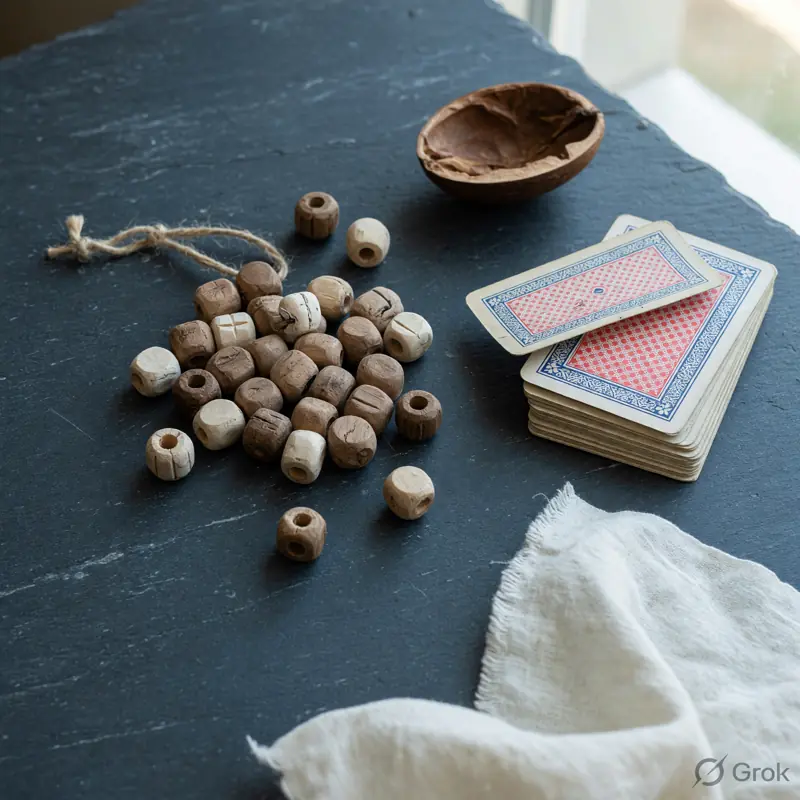
Pool rummy trades time for a last-seat prize
Pool takes a fixed entry. Players leave as they hit a point ceiling. The last remaining seat takes the pool. The hand language does not change. The clock does.
A drop in pool is an exit from that pool, not a refund. Some products allow a re-buy. That re-buy is a new entry, not a repair of the first one. Count the entries you can afford before the first deal, not after the third drop.
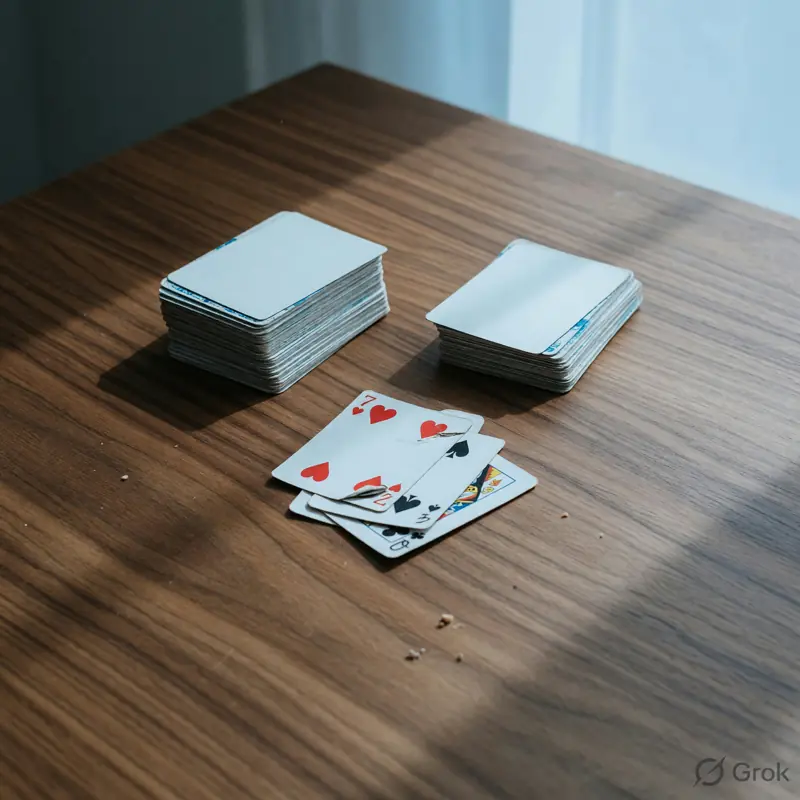
Deals rummy keeps early damage on the slip
Deals fixes the number of hands in advance. Scores add. The lowest total after the last deal wins. An ugly first deal is still there when the last card is turned.
That is useful if you want a known length. It is unkind if you hoped an early mistake would evaporate. Deals is not “friendlier points”. It is a ledger with a last line.
How a 13-card hand is scored across the three settlements
Public Indian rummy language. Not a live luxcasino stake board.
| Moment | Points | Pool | Deals |
|---|---|---|---|
| Deal | 13 cards, priced leftover | 13 cards, toward a cap | 13 cards, toward a running total |
| Valid declare | Opponents pay leftover points | They add points toward elimination | Their deal score is written down |
| Invalid declare | Usually full remaining value | Usually a large step toward the cap | A heavy deal score that stays |
| Drop | Published first or middle cost | Exit that pool | A deal penalty, then the next deal |
| Session end | Stop or leave | One seat under the cap | Last numbered deal |
Joker, drop and invalid declare do not change meaning by format
A printed joker fills a set or an impure sequence. It does not stand in for the pure sequence. Players who learned from cartoon tutorials sometimes discover this only at declare.
A drop is a priced exit. An invalid declare is usually worse than a late drop. Those two sentences are more useful than a page of “tips”. They also belong on the first-table sequence, where the order of operations lives.
Strategy limits, including what happens if the joker never arrives, sit on the strategy note. This catalogue stops at naming the settlement.
What a labelled lobby should let you see before you sit
Format name in plain words. Drop costs if the table uses them. Whether a pool allows a re-buy. How many deals are in a deals table. Whether the joker is printed, cut-joker, or both.
If those facts are behind a cartoon or a countdown, treat the table as poorly labelled. The reviews ledger scores labelling as a criterion. It does not invent a star rating for luxcasino.
Format questions that should be settled before a stake
Are points, pool and deals different games?
No. They are three settlements of the same 13-card language. The cards still need a pure sequence.
Does a printed joker replace a pure sequence?
No. A joker can fill a set or an impure sequence. The pure sequence still has to stand without it.
What does a drop mean in pool?
You leave that pool. You do not take a refund of the entry. A later buy-in, if the product offers one, is a new decision.
Why is deals less forgiving early?
An early high score stays on the slip until the last numbered deal is counted.
Does luxcasino publish live stake amounts here?
No. Stake figures on this route are descriptive of format shape, not a live lobby.
Where do I learn the first deal?
The how-to-play note walks deal, draw, arrange and declare without turning into a strategy essay.
Is teenpatti covered here?
No. This catalogue stays on 13-card rummy.
What should I do after picking a format?
Either open the first-table sequence or, if you already know it, compare labelling on the reviews ledger.
Printed joker, cut joker and the card that is not a joker
Indian 13-card tables use a printed joker, a cut joker (the card of the same rank as the one turned from the stock), or both. The printed joker is obvious. The cut joker is easy to miss if you only watched a thirty-second clip.
Neither kind of joker creates a pure sequence. If a product’s help screen shows a joker sitting inside a “pure” run, treat the help screen as wrong. The games catalogue cannot repair a bad tutorial. It can only name the public rule.
Count the jokers you can see after the deal. Zero jokers is a common hand. It is not a glitch. Strategy limits cover what to do when the joker never arrives. Here it is enough to know the object.
House variations you should expect to see written down
Some tables allow a pair as a set at the end of a hand. Some do not. Some treat A-2-3 as a valid run. Some treat A only as high. These are house variations, not moral failures. They become failures when they are unpublished.
A labelled product states the variation next to the format chip. An unlabelled product hides it in a cartoon. If luxcasino’s live lobby states the variation, believe the lobby over this desk. If it does not, do not invent the variation in your own favour.
Why this catalogue refuses a “best format” crown
Points is shorter. Pool lasts longer. Deals has a last line. None of those sentences is a recommendation. The right format is the one whose ending you can describe before you sit.
Readers who ask “which format wins more” are asking the wrong object. Formats do not win. Hands end. The settlement only prices the ending. If you need a winner, you are in the wrong note.
A second reason to refuse the crown: a points table with unpublished drop costs is worse than a clearly labelled pool. Labelling beats flavour. That is why the next door after this catalogue is either the first-table walk or the reviews ledger, not a trophy wall.
How this catalogue should be used in a live lobby
Open the lobby. Find the chip. If the chip says points, remember leftover pips have a price. If it says pool, count how many entries you can afford, including a re-buy you have not decided to take. If it says deals, look for the number of deals and treat the first hand as already on the final slip.
If the chip is a cartoon cup or a vague “classic”, close the tile. The catalogue has done its job. You do not owe the tile a second look.
Then decide whether you still need the order of operations. If yes, open how to play. If no, compare labelling. If you already did both, the brand action is available. None of those three doors should be skipped because an ad was loud.